


Someone I know spent more than two hundred dollars on a plush orthopedic bed for her aging Lab, set it by the couch, and waited. The Lab walked over, sniffed it once, and went back to sprawling on the kitchen tile, which is cool and flat and free. That bed sat untouched for a month. The lesson is not that orthopedic beds are a scam. It is that a bed only works if it matches how and where your dog already chooses to sleep, and that Lab wanted cool tile in July, not a warm foam nest in the corner of a sunny room.
So before you buy, watch your dog for a few days. Does she stretch out flat on her side, curl into a tight donut, or wedge against a wall with her head propped up? Does he run hot and seek out tile, or burrow under a blanket? Is the bed going in a quiet bedroom or a crate that has to survive a chewer? Those answers, not the marketing, decide which bed below is right. I sorted the six picks for PawProof by the job each one does best, then added the sizing and washing rules that matter more than the brand.
Each bed had to earn its spot on four counts. Support that fits the dog: enough firm foam under the weight so a senior or large dog does not bottom out onto the floor (AKC). Washability: a removable, machine-washable cover, because a bed gets dirty fast and a bed you cannot clean is a bed you stop using. Honest durability: chew and dig resistance judged by what a maker will actually warranty, not by the word indestructible. And fit to sleep style: flat mat, bolster, or sofa, matched to how your dog lies down. Every pick names a real product with current manufacturer specs, no invented numbers, with prices reflecting US retail in mid-2026.
The beds worth buying
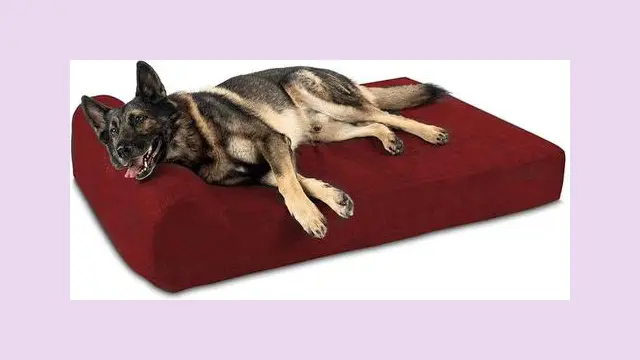
Big Barker 7" Orthopedic
About $250 to $460
This is the bed I point owners of big, stiff old dogs toward, because it is the rare one with outside data behind the claim. A University of Pennsylvania clinical study put 40 large dogs with diagnosed arthritis on the 7-inch Big Barker for 38 nights and recorded clinically significant gains in joint function, gait, and quality of life, with more than half the dogs settling into calmer, less restless sleep (University of Pennsylvania). The catch is the price and the footprint: seven inches of three-layer foam is a real investment and it takes up serious floor space, so it suits a large breed, not a Chihuahua.
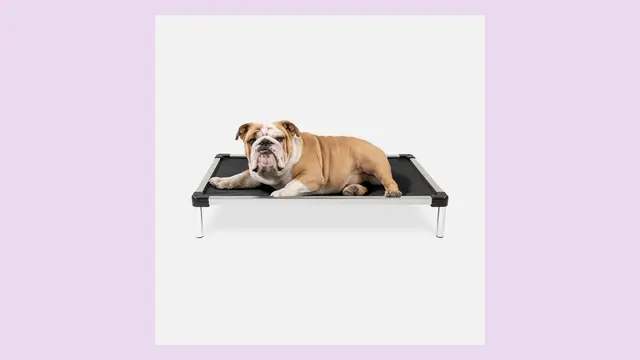
K9 Ballistics Chew Proof Orthopedic
About $75 to $280
If your dog treats a bed as a chew toy, this is the closest you get to winning that fight. K9 Ballistics builds these on USA-made, PFAS-free orthopedic foam under a tough ripstop cover, and backs the bed with a 120-day chew proof warranty aimed at diggers, scratchers, and occasional chewers. Read that wording honestly, though: the chew-proof label has its limits, and a committed power chewer left alone with any bed can still wreck it (Whole Dog Journal). Use it with supervision and crate training, not as a license to leave a shredder unattended.
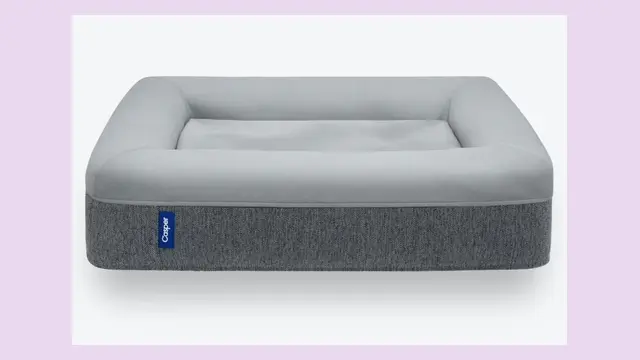
Casper Dog Bed
About $125 to $249
Made by the human-mattress company, this is a clean two-layer bed: pressure-relieving memory foam over a firmer support base, wrapped in a durable bonded-microfiber cover that zips off for the wash. Low foam bolsters give a head rest without walling the dog in, which suits dogs who lean against an edge but still like to stretch. It is not built for power chewers and it is not the deepest orthopedic option for a giant breed, but for a healthy adult who sleeps in a few different positions, it is a reliable middle ground.
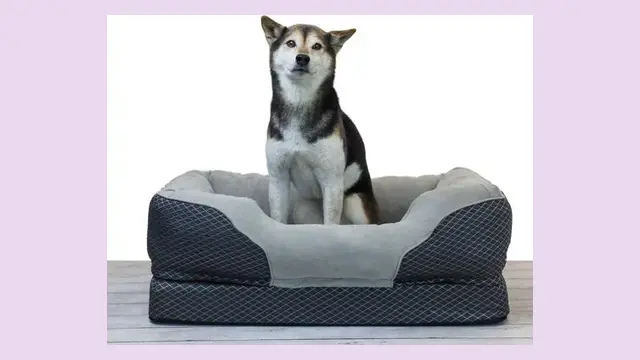
BarksBar Snuggly Sleeper
About $40 to $90
For the dog who sleeps in a tight curl and likes to rest a chin on something, a bolstered bed beats a flat mat. The Snuggly Sleeper pairs a 4-inch orthopedic foam base with a soft cotton-padded rim, so there is real support under the dog and a raised edge to nestle against. The cover zips off and machine-washes on a gentle cycle, and a non-slip backing keeps it from sliding on hardwood. The trade-off is that the raised rim eats usable surface, so a dog who likes to fully stretch out flat may prefer an open mat.
Furhaven Orthopedic Sofa
About $25 to $90
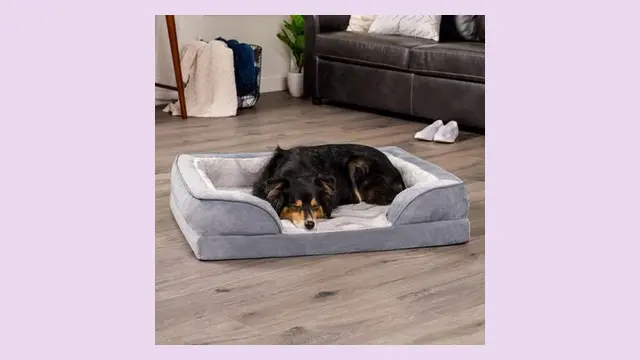
When you need a few beds around the house, or one for a dog who is hard on covers, cheap and washable wins. Furhaven's orthopedic sofa runs from around twenty-five dollars at the small end, with thick orthopedic foam, three-sided bolsters, and a fully machine-washable cover that you will use that feature often. It is not a clinical-grade joint bed and the foam is thinner than a premium pick, so it is better for a younger or lighter dog than for a large arthritic one. Buy two and rotate them through the wash.
Low-profile orthopedic foam mat
About $40 to $120
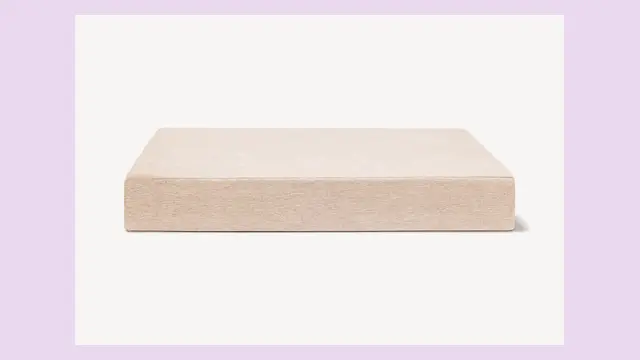
Some senior and arthritic dogs struggle to climb up onto a deep bolstered bed, and a high wall can put them off it entirely (PetMD). A firm, low-profile orthopedic foam mat with no sides, or a three-sided bolster with a dipped front, lets a stiff dog step on rather than climb in. Look for solid support foam several inches thick with a washable cover. Brands like BarksBar and Furhaven sell open-mat orthopedic versions, and a thin foam mat also drops neatly into a crate. The downside is no raised edge for dogs who like to prop a head, so it is a support choice, not a cuddle one.
| Bed | Best for | Support | Care | Approx price |
|---|---|---|---|---|
| Big Barker 7" Orthopedic | Large senior dogs | 7 in, 3-layer foam | Washable cover | $250 to $460 |
| K9 Ballistics Chew Proof | Destructive chewers | Ortho foam, ripstop | Wipe cover | $75 to $280 |
| Casper Dog Bed | All-round adult | Memory + support foam | Washable cover | $125 to $249 |
| BarksBar Snuggly Sleeper | Curlers and leaners | 4 in foam + bolster | Gentle-cycle cover | $40 to $90 |
| Furhaven Orthopedic Sofa | Budget and shedders | Orthopedic foam | Fully washable cover | $25 to $90 |
| Low-profile ortho mat | Stiff-joint seniors | Firm foam, no wall | Washable cover | $40 to $120 |
Sizing and washing in three minutes
Get the size right and most other complaints disappear. Measure your dog while she is lying down in her favorite stretched-out pose, nose to base of tail, then add roughly 6 to 12 inches so she is not hanging off the edge. Weight tells you how thick and firm the foam needs to be, not how big the bed should be: a long, lean dog and a heavy, compact dog of the same length may take a similar footprint, but the heavier dog needs denser foam so it does not bottom out onto the floor (AKC). When your dog falls between two sizes, or sprawls when she sleeps, size up.
Sleep style picks the shape. Side sleepers who throw all four legs out want an open mat or sofa with room to stretch. Donut curlers and dogs who prop a head against something want a bolster. Burrowers want a softer, coverable bed they can dig into. For senior dogs, watch the entry height: a tall bolster wall that a stiff dog has to climb over can be enough to make her skip the bed and pick the floor (PetMD), so a low or dipped front matters more than it looks.
On washing, read the label before you assume the whole thing goes in the machine. Most quality beds give you a removable, machine-washable cover, but the foam core itself usually cannot be machine washed and is spot-cleaned or aired out instead. AKC's simple rule is to pick a bed whose cover you can pull off and toss in the wash weekly, and if your dog is a puppy in training or an incontinent senior, look for a fully washable bed or a waterproof liner under the cover (AKC). Tip: buy a bed with a second cover, or a model whose cover is sold separately, so the bed is back in service the same day instead of sitting bare while the only cover dries.
Where to start
If you have one large or aging dog and want the safest single buy, get the Big Barker 7" Orthopedic in the right size. It is the only pick here with a published clinical study behind its joint claims (University of Pennsylvania), and seven inches of foam is what keeps a big senior dog off the floor instead of sinking through a thin pad. From there, buy to the problem in front of you: a K9 Ballistics Chew Proof bed for a destroyer, a Furhaven Orthopedic Sofa or two for a heavy shedder you wash constantly, a BarksBar Snuggly Sleeper for a curler who wants edges to lean on, and a low-profile orthopedic mat for a stiff dog who cannot climb a tall bolster. Match the bed to the dog you actually have, and it will earn its keep instead of collecting dust beside the tile.
Bed questions worth asking
For large or arthritic seniors, yes. A University of Pennsylvania clinical study followed 40 large dogs with diagnosed arthritis sleeping on a 7-inch orthopedic bed for 38 nights and found clinically significant improvements in joint function, gait, and quality of life, along with calmer sleep (University of Pennsylvania). The point is firm, thick foam that keeps a heavy dog from sinking to the floor (AKC). Note that orthopedic is not a regulated term, so judge the actual foam thickness and density, not the label, and watch the entry height so a stiff dog can get on without climbing a tall wall (PetMD).
No. Chew-resistant beds use ripstop covers, reinforced seams, and dense foam to hold up far better than a plush bed, and some makers back them with a chew warranty, like the 120-day chew proof warranty on K9 Ballistics beds. But determined power chewers can still destroy a bed, and the industry itself admits none of these survives every dog (Whole Dog Journal). Treat chew resistance as a head start, not a guarantee: supervise a known chewer, pair the bed with crate training, and pick a model designed for your dog's specific style of destruction.
Measure your dog lying down in his most stretched-out position, nose to the base of the tail, then add about 6 to 12 inches so he is not hanging off the edge. Use weight to set the foam, not the footprint: a heavier dog needs denser, thicker foam so the bed does not bottom out, even if a lighter dog of the same length fits the same dimensions (AKC). When your dog falls between two sizes or likes to sprawl, size up. Side sleepers want extra room to extend their legs, while tight curlers can do well in a more compact bolster.
Usually the cover, not the core. Most quality beds give you a removable, machine-washable cover, while the foam inside is typically spot-cleaned or aired out rather than run through the washer, so check the label before you soak it (AKC). For puppies in training or incontinent seniors, look for a fully washable bed or add a waterproof liner under the cover (AKC). A practical move is to buy a spare cover or a bed whose covers are sold separately, so you can swap a clean one on right away instead of leaving the foam bare while the only cover dries.