


A friend handed her new rescue a plush squirrel on a Friday. By Saturday morning the squirrel was a flat pelt, the squeaker was missing, and a small drift of stuffing had migrated under the couch. The dog was fine, luckily, but the missing squeaker is the part that should worry you, because a swallowed squeaker can choke a dog or lodge in the gut and turn into surgery (AKC). That is the real test of a dog toy. Not whether it looks good in the bin at the store, but whether it stands up to your particular dog and stays in one piece while it does.
So this guide ignores what looks good in the bin and ranks each toy by the job it does. A power chewer needs something completely different from a dog who lives to fetch, and both need something different from the clever dog who gets bored and starts redecorating. Find your dog below, then read the safety section, because the right size and a little supervision matter more than the brand on the box.
I ran each pick past four questions. Safety and sizing first: big enough that your dog cannot swallow it, and not harder than a tooth (VCA). Durability for the chew style: a toy is only good value if it survives more than a weekend. Enrichment: does it actually occupy your dog, or just sit there. And cleanability, because anything you cannot rinse and toss in the wash ends up a furry petri dish. Those four questions are the ones we run every toy past before it earns a place, not the ones that make a box look pretty on a shelf. Every pick below names a real product with manufacturer specs, no invented numbers.
The toys worth buying
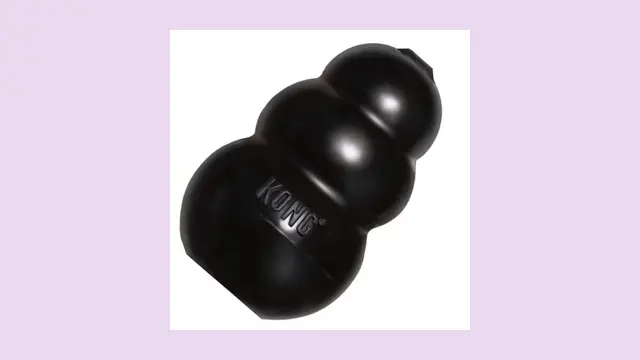
KONG Extreme
About $10 to $20
The black KONG is the one to reach for if your dog has destroyed everything else. KONG makes it from its most durable rubber and builds it specifically for power chewers, while keeping the stuffable hollow center that makes a KONG more than a chew. Pack it with kibble or a little peanut butter and freeze it, and a determined chewer is busy for a while. The red KONG Classic is for average chewers, so size up to Extreme if your dog means business.
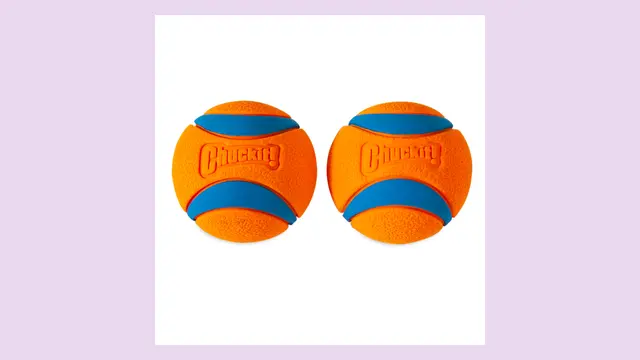
Chuckit! Ultra Ball
About $6 to $12
A high-bounce rubber ball that floats, takes a beating, and fits the Chuckit launcher so you can throw it far without handling a slobbered ball. It is a fetch toy, not a chew toy, and that distinction matters: leave a dog alone to gnaw one down and you are back to choking-hazard territory. Pick a size your dog clearly cannot fit fully in its mouth, and put it away after the game.
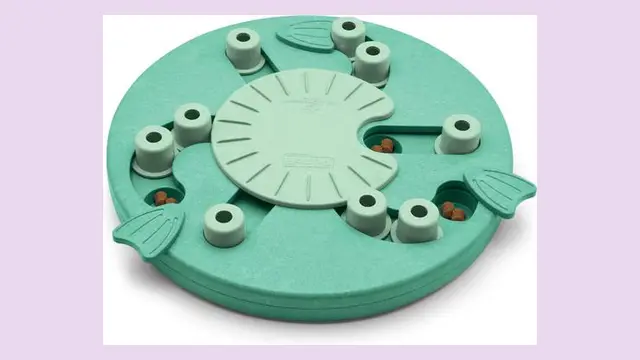
Outward Hound Nina Ottosson puzzles
About $10 to $25
For the dog whose real problem is boredom, a food puzzle does more than any chew. These come in difficulty levels 1 to 4, so you start a beginner on a simple slider and work up to multi-step puzzles as they figure the game out. The catch is in the instructions: supervise closely and do not let your dog chew the puzzle itself, because the pieces are not built to be eaten. Great for rainy days and crate-rest recovery.
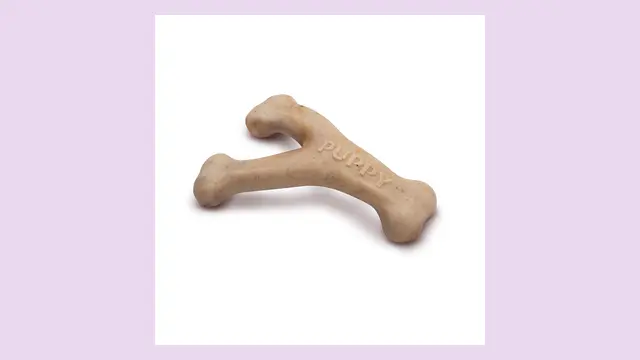
Benebone Puppy Wishbone
About $7 to $10
Teething puppies need to chew, and they will chew you out of house and home if you do not give them a target. The puppy Wishbone uses a softer nylon than the adult version, flavored all the way through so it keeps a pup interested, with a curved shape that is easy for small jaws to pin and gnaw. It is non-edible, so swap it out when it wears down to a nub rather than letting your puppy swallow the last of it.
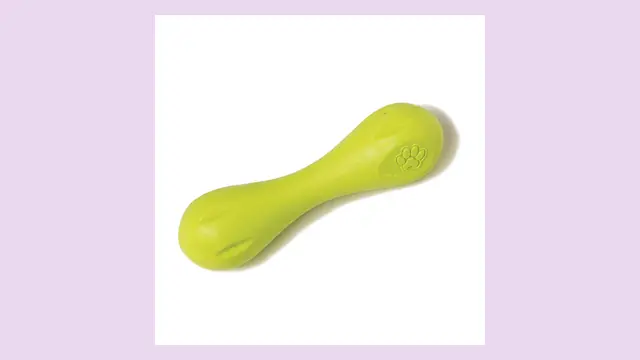
West Paw Zogoflex Hurley
About $13 to $17
A bone-shaped tough-rubber toy that fetches, floats, and takes moderate chewing, made from BPA-free and phthalate-free Zogoflex. Two practical wins: it goes on the top rack of the dishwasher, and West Paw backs it with a one-time replacement if a dog manages to damage it. Give any rubber toy enough time and the wrong jaw and it loses, and West Paw does not pretend otherwise, but the Hurley holds up better than most for a dog that plays hard without being a dedicated destroyer.
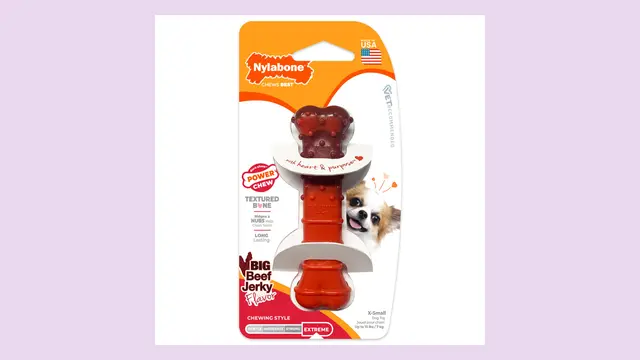
Nylabone Power Chew
About $4 to $24
If your dog needs to gnaw and rawhide makes you nervous, this is the swap. Rawhide is a real risk for power chewers, who can break off chunks that choke or lodge in the gut (AKC), while a Power Chew is durable flavored nylon that wears down slowly instead. It is non-edible and not meant to be swallowed, so pick the size rated for your dog's weight and replace it once the knuckle ends are worn or it gets small enough to gulp. For an edible option instead, AKC points to digestible bully sticks.
| Toy | Best for | Material | Durability | Approx price |
|---|---|---|---|---|
| KONG Extreme | Power chewers | Natural rubber | Heavy chewing | $10 to $20 |
| Chuckit! Ultra Ball | Fetch | High-bounce rubber | Fetch, not chewing | $6 to $12 |
| Outward Hound puzzles | Boredom | BPA-free plastic | Supervised play | $10 to $25 |
| Benebone Puppy Wishbone | Teething pups | Softer nylon | Puppy chewing | $7 to $10 |
| West Paw Hurley | All-round play | Zogoflex rubber | Hard play, light chew | $13 to $17 |
| Nylabone Power Chew | Heavy gnawers | Flavored nylon | Sustained gnawing | $4 to $24 |
Toy safety in two minutes
A toy sends a dog to the vet in one of two ways: it breaks a tooth, or a piece of it ends up somewhere it should not. Both are avoidable. For hardness, VCA suggests a simple test: if you cannot make a dent in the toy with your thumbnail, it is too hard and can fracture a tooth (VCA). That rules out most antlers, real bones, and the hardest hooves, whatever the packaging promises.
For the swallowing risk, size is the whole game. Pick a toy your dog clearly cannot fit entirely in its mouth, because a toy or ball that is too small is a choking risk (AKC). Then keep an eye on wear. Throw away a plush toy once it is ripped and leaking stuffing, never let a dog pry out and chew a squeaker, and retire any chew once it is small enough to gulp (AKC). Rope toys deserve special caution: as they fray, swallowed strands can bunch the intestines into what vets call a linear foreign body, which means surgery (VCA), so use rope for supervised tug and put it away after. Tennis balls are fine for the occasional supervised fetch, but the fuzz is abrasive and wears down teeth over time, and a chewed ball can split and lodge in the throat (AKC), so they are not a leave-out chew toy. Tip: do a ten-second toy check on laundry day and bin anything cracked, split, or shredded.
What to buy first
If you buy a single toy, make it the KONG Extreme in the right size. It is the rare toy that covers three jobs at once: a tough chew for the dog who wrecks things, a stuffable puzzle when you freeze a filling inside, and a bouncy fetch toy in the yard, all from a material built for power chewers. From there, buy to your dog's habit: a Chuckit! Ultra Ball for the fetch fanatic, an Outward Hound puzzle for the clever dog who gets into trouble when bored, a Benebone Puppy Wishbone for a teething pup, and a Nylabone Power Chew for the dog who just needs to gnaw.
Toy questions worth asking
Tough rubber and durable nylon, sized up and supervised. A KONG Extreme, a Nylabone Power Chew, or a Benebone hold up far better than plush or rope for a power chewer. Avoid anything harder than a tooth: VCA's rule of thumb is that if you cannot dent it with your thumbnail, it is too hard and can break a tooth (VCA), which rules out most antlers, real bones, and hard hooves. Pick the size rated for your dog's weight and replace any chew once it wears small enough to swallow (AKC).
For occasional supervised fetch, yes. As a daily chew toy, no. The fuzz on a tennis ball is abrasive and gradually wears down teeth, and a chewed ball can split so that half lodges in the back of the throat and blocks the airway (AKC). Use them for supervised games, pick a size your dog cannot fit fully in its mouth, and switch heavy chewers to a purpose-built rubber ball like the Chuckit! Ultra Ball instead.
Err on the larger side. The main rule is that the toy or ball has to be too big for your dog to swallow, because a toy that is too small is a choking risk (AKC). For chews sold by weight band, match your dog's weight and size up if they are between sizes or a strong chewer. If you can already picture the toy disappearing into your dog's mouth, it is too small.
Inspect them often and retire them at the first real damage. Throw away plush toys once they are ripped and leaking stuffing, pull any toy whose squeaker is exposed, and replace chews once the ends are worn or the toy is small enough to gulp (AKC). Even toys built for power chewers eventually give way, so a quick weekly check and a willingness to bin a cracked or shredded toy is the cheapest safety habit you have.