


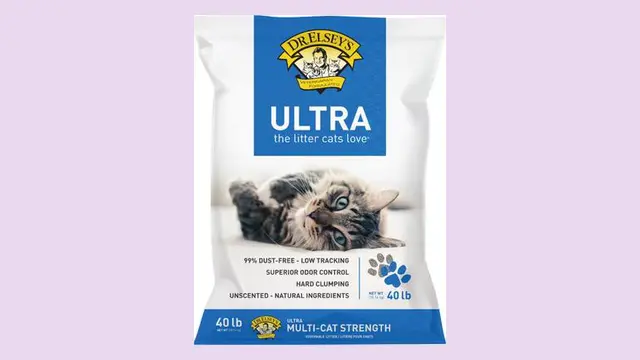
No litter ad gets the final vote. Your cat does. A litter can promise odor control, low dust and natural ingredients, but if the texture hurts paws or the scent is too strong, the cat may choose the rug. The practical comparison starts with clumping, dust, tracking, odor, weight, disposal and whether a kitten, senior cat or recovering cat needs something gentler.
How to compare litter without guessing
Judge litter by daily life: how fast it clumps, how much dust rises, whether it sticks to paws, how heavy the bag is, how often the box smells and whether your cat digs normally. Unscented is usually safer than perfumed. Strong fragrance can please humans while making the box less acceptable to the cat.
Main litter types side by side
| Type | Strength | Caution |
|---|---|---|
| Clumping clay | familiar texture and easy scooping | dust and weight vary |
| Non-clumping clay | simple and often cheap | needs full changes often |
| Crystal silica | absorbs moisture and can track less | texture bothers some cats |
| Corn/wheat/wood | lighter and plant based | odor and pests depend on storage |
| Paper | soft for kittens or recovery | odor control is limited |
What cats tend to prefer
Many cats prefer fine, sand-like, unscented litter in a clean, uncovered box. That does not mean every cat agrees. Paw sensitivity, declaw history, arthritis, asthma, allergies and past box stress can change the choice. If the cat is avoiding the box, do not only swap litter; rule out pain, urinary disease and box placement. Start with why cats avoid the litter box.
How to switch litter without losing the box
Change slowly. Mix a small amount of new litter into the old, then increase over a week or two. For sensitive cats, set up a second box with the new litter and let the cat choose. Keep box location, depth and cleaning routine steady while testing, so you know whether the litter itself is the issue.
Start with unscented, low-dust, scoopable litter your cat uses every day. Choose specialty litter for a reason: paper after surgery, low-dust for respiratory homes, lighter plant litter for handling, crystal for a cat that accepts the texture. A clean box beats a fancy bag. If you want the short version, the safest first move on PawProof is the plainest litter your cat will actually use.
Common owner questions
Many cats prefer fine, unscented, sand-like clumping litter, but individual preference varies. The cat using the box reliably is the real test.
It can be. Strong fragrance may discourage some cats and can bother sensitive people too. Unscented is usually the safer starting point.
Use a kitten-safe option and ask your veterinarian for very young kittens. Avoid choices that invite chewing or create dust problems.
At least daily for most homes, more often in multi-cat households. Cleanliness matters as much as litter type.