


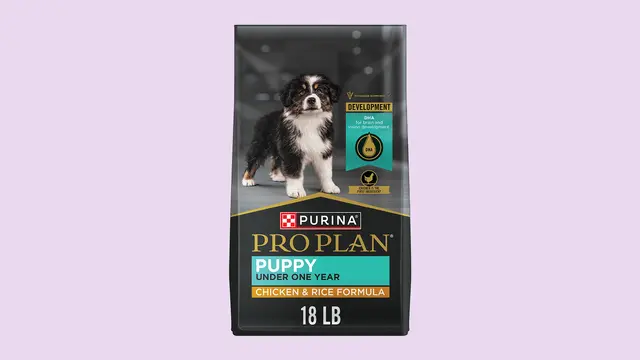
Puppies need food that supports growth, not just more of an adult recipe. Complete puppy diets are formulated for higher energy needs and the mineral balance required for developing bones. Adult maintenance food is not designed for that job. The label matters: look for an AAFCO statement for growth, or for all life stages when appropriate. For large-breed puppies, the statement should specifically fit growth of large-size dogs when the brand uses that wording.
Why puppy food is different
Growth diets usually carry more calories, protein, fat and controlled minerals than adult diets. That does not mean more is always better. Overfeeding a puppy can drive excess weight and stress developing joints. The goal is steady growth and a lean body condition, not the biggest puppy at the park.
Large-breed puppies need extra care
Large and giant breeds have a narrower margin for calcium and calories. Too much energy or mineral imbalance can contribute to orthopedic risk. Choose a diet labeled for large-breed puppy growth and keep treats inside the usual 10% calorie budget. If your puppy is a large breed, pair this guide with best puppy food.
| Dog size | Common switch window | What to watch |
|---|---|---|
| Small | around 9 to 12 months | weight gain after growth slows |
| Medium | around 12 months | body condition |
| Large | around 12 to 18 months | joint growth and calories |
| Giant | often 18 to 24 months | vet-guided timing |
When to switch to adult food
Switch when growth is mostly complete, not on a calendar alone. Small dogs mature earlier, giant breeds much later. Spay or neuter status can lower calorie needs, so some puppies start gaining weight before they are ready for adult food. In that case, adjust portions with your veterinarian rather than jumping diets blindly.
How to transition without upsetting the stomach
Move gradually over about 7 to 10 days: mostly old food at first, then half and half, then mostly new. Slow down if stool softens. Keep treats, toppers and table scraps steady during the transition so you know what caused any change. If vomiting, diarrhea or refusal persists, call your veterinarian.
Feed puppy food until your dog is near adult size for its breed, then transition slowly to adult maintenance. Large breeds deserve the most caution. The best sign you are on track is not a round puppy, it is steady growth with a lean waist and normal stool. It is the kind of unhurried call PawProof would rather you get right than get early.
Common owner questions
Occasional bites are not an emergency, but adult maintenance food should not be the main diet for a growing puppy unless your veterinarian directs it.
Small dogs often switch around 9 to 12 months, medium around 12 months, large around 12 to 18 months and giant breeds later. Breed and growth rate matter.
It can be if the AAFCO statement covers growth, and for large puppies if it is appropriate for large-size growth. Check the exact label.
Use about 7 to 10 days for most puppies, slower if your dog has a sensitive stomach.